Review: Christian Cross Wildflower Tumbler Wrap for Embroidery
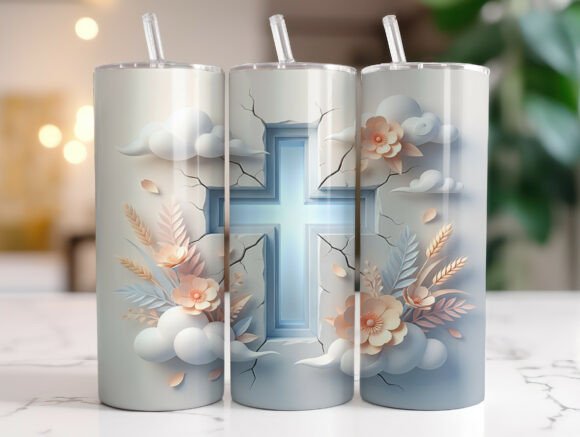
As a designer who spends more time staring at stitch simulations than I do sleeping, I approach every new digital embroidery file with a mix of curiosity and skepticism. When I first pulled up the Christian Cross Wildflower Tumbler Wrap, my initial reaction wasn't to think about tumblers. Instead, my mind immediately went to texture, fabric grain, and how those delicate floral lines would translate from a high-resolution PNG into actual thread on cloth. While this asset is marketed specifically for sublimation or printing on 20oz skinny tumblers, the visual language of the design screams potential for a much wider range of handmade products.
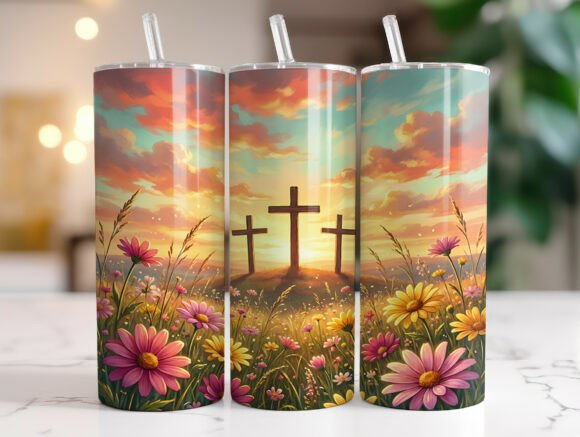
The composition strikes a beautiful balance between reverence and nature. The cross stands firm as the anchor, while the wildflowers soften the edges, creating a mood that is both spiritual and grounded. For an Etsy seller or a small shop owner looking to expand beyond standard religious motifs, this offers a fresh take. It avoids the stiff, clip-art feel of older designs and instead offers an organic flow that feels modern and boutique-ready.
Translating Digital Graphics into Stitched Reality
The core challenge here is adaptation. The product description notes this is a high-resolution PNG set (300 DPI) intended for wrapping curved surfaces. However, for us in the embroidery world, this image serves as a perfect reference for creating a custom machine embroidery design or digitizing a unique applique design. If you are planning to use this graphic as a base for digitizing, the clarity of the 9.3" x 8.2" layout is a massive plus. It gives you plenty of room to define your satin stitch borders and fill stitch areas without guessing where the petals end and the background begins.
I recently envisioned a project using this motif for a spring collection of custom apparel. Imagine a cream-colored linen tote bag. The wildflower elements would look stunning rendered in soft pastels using a light stitch density to mimic the delicacy of real petals, while the cross could be punched up with a denser fill or even a metallic thread to make it pop. This isn't just about copying the image; it's about interpreting the graphics into a tactile experience. The "wildflower" aspect suggests freedom and growth, making it an ideal candidate for baby embroidery on a nursery blanket or a christening gown, provided the digitizing is scaled down appropriately.
Real-World Application Scenarios
Let's get practical about where this design shines in a real business context. If you run a craft business focused on faith-based goods, this design is versatile. It works exceptionally well for sweatshirt embroidery. A oversized hoodie with this motif centered on the chest, perhaps slightly distressed in the digitizing to match the "wild" theme, would sell well during Easter or Mother's Day. It also translates beautifully to home decor. Think of a kitchen towel or a tea towel where the flowers drape over the hem. The organic shape of the flora allows you to play with placement in ways that rigid geometric crosses do not.
For those interested in creating an embroidered patch, the separation between the cross and the surrounding greenery offers a natural boundary for a merrowed edge. You could produce a run of these patches for a local church group or as add-on items for your online store. The visual appeal here drives buyer engagement because it feels personal and thoughtful, rather than mass-produced. When a customer sees the nuance in the flower details, they perceive higher value in the finished product, which builds customer trust in your brand.
Navigating Fabric and Hoop Limitations
While the potential is high, we must discuss the technical constraints. Since the original file is optimized for a smooth tumbler surface, translating this to fabric requires caution. If you are digitizing this yourself or hiring a digitizer, pay close attention to fabric texture. On a textured canvas tote or a waffle-knit towel, fine details in the wildflower petals might get lost if the running stitch elements are too short or the density is too low. Conversely, on stretchy performance fabrics used for athletic wear, a dense fill might cause puckering.
You also need to consider your hoop size. The original dimensions are roughly 9 inches wide. Not everyone has a large hoop on their home machine. If you intend to scale this down for a cap or a baby onesie, you risk losing the intricacy of the smaller flowers. In these cases, simplification is key. You might need to reduce the number of flower stems or merge smaller leaves into larger shapes to ensure the design stitches out cleanly without thread breaks or bird nests.
Dark fabrics present another consideration. The original graphic likely assumes a light or transparent background for the tumbler wrap. If stitching onto navy or black fabric, you will need to plan for an underlay that covers the garment color effectively, or consider using this as an applique template where the fabric itself provides the color for the flowers, outlined with a crisp satin border.
Maximizing Value and Professionalism
Using a high-quality source image like the Christian Cross Wildflower Tumbler Wrap elevates your workflow. It ensures that your proportions are correct and your artistic vision remains consistent across different products. Whether you are making a holiday embroidery gift for a family member or producing inventory for a boutique, starting with a strong visual foundation saves time on revisions. It allows you to focus on thread selection—perhaps choosing variegated threads for the flowers to add depth that a flat print cannot achieve.
Furthermore, this kind of design supports brand consistency. If your shop specializes in faith-inspired goods, having a cohesive library of designs that share a similar aesthetic helps customers recognize your work instantly. The blend of the cross with natural elements creates a specific niche: rustic, bohemian faith. This is a lucrative corner of the market that appreciates handmade quality over generic big-box store items.
Essential Designer Notes Before You Stitch
Before you commit to stitching this on a client's expensive garment, follow these practical steps:
- Test on Scrap First: Always stitch a sample on the same type of fabric you plan to use for the final product. Check how the stabilizer interacts with the material.
- Check Color Contrast: Ensure your chosen thread colors provide enough contrast against the fabric, especially for the finer details of the wildflowers.
- Review Density: If digitizing from this PNG, avoid overly dense fills that can make the fabric stiff, particularly for wearable items like shirts or baby clothes.
- Verify Licensing: Remember, this is a digital graphic file. If you are selling the stitched physical item, ensure you understand the license terms regarding commercial use of the underlying artwork. Do not resell the digital file itself unless explicitly permitted.
- Mockup Testing: Create black and white mockups to see if the design holds its shape without relying on color. This helps identify areas that might need simplification.
- Stabilizer Selection: For a design with varied densities like this, a cut-away stabilizer is often safer for long-term durability, especially if the item will be washed frequently.
In conclusion, while the Christian Cross Wildflower Tumbler Wrap is sold as a sublimation asset, its true value for the creative entrepreneur lies in its adaptability. It is a springboard for unique tote bag designs, meaningful personalized gifts, and standout commercial embroidery projects. By understanding the transition from screen to stitch, you can turn a simple graphic into a tangible piece of art that resonates with customers and stands the test of time.