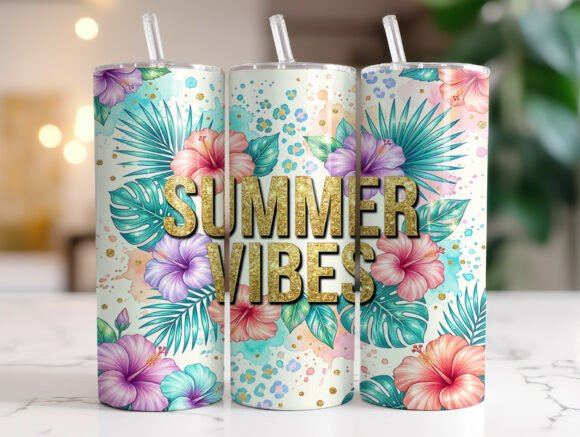
Summer Vibes Tropical Hibiscus Tumbler: A Designer's Review
As a designer who spends more time staring at stitch maps than most people care to admit, I approach every new digital embroidery file with a mix of curiosity and skepticism. We've all been there: you download a stunning graphic, convert it, or purchase a pre-made design, only to find that what looked perfect on the screen turns into a puckered mess on the fabric. Today, I'm taking a close look at the Summer Vibes Tropical Hibiscus Tumbler. While this asset is marketed primarily within the Tumbler Wraps category as a high-resolution PNG for sublimation or printing, my job is to evaluate its potential when translated into the tactile world of thread and needle.
First Impressions: Mood and Visual Personality
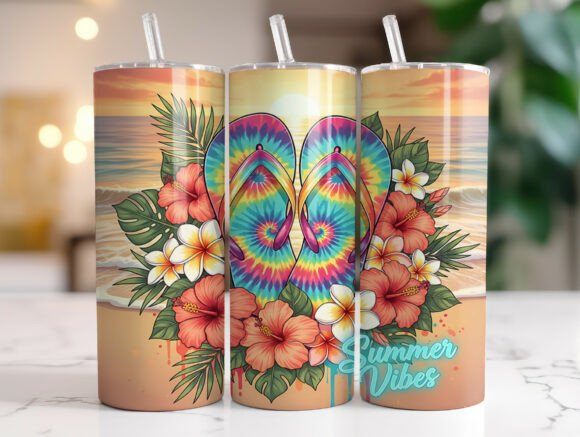
The moment you open the file, the "summer" promise is immediate. The layout features a bold, tropical hibiscus theme that screams vacation mode. At 9.3″ x 8.2″, the scale is generous, designed specifically to wrap around a 20oz skinny tumbler. For an embroiderer, this size presents an interesting challenge and opportunity. The visual personality is vibrant and organic, relying on the natural curves of the flower petals to create movement.
However, because this is originally a Graphics file intended for print, the first thing I notice is the lack of predefined stitch types. There are no satin columns or fill regions mapped out yet. This means the design's success in an embroidery project depends entirely on how well we can interpret those 300 DPI pixels into thread. The high resolution is a massive plus; it means the edges of the hibiscus petals are crisp, making it easier to trace paths for a clean running stitch outline or a dense fill stitch without losing detail.
Real-World Application: From Screen to Stitch
Let's move beyond theory and talk about a real case scenario. Imagine a client runs a small beachside boutique and wants a line of custom tote bag designs for their summer collection. They love the Summer Vibes Tropical Hibiscus Tumbler aesthetic but want the durability and texture of embroidery rather than a printed vinyl decal.
In this context, the design shines as a statement piece. Placed centrally on a heavy canvas tote, the large floral motif becomes the focal point. The organic shapes of the hibiscus translate beautifully into a combination of satin stitch for the petal edges and a textured fill for the center. If I were producing this for a craft business, I would likely simplify some of the intricate background details found in the PNG to ensure the stitch density remains manageable on fabric.
Another viable application is sweatshirt embroidery. A oversized crewneck with this tropical bloom on the back or as a large chest pocket detail could be a best-seller for an Etsy seller. The key here is recognizing that while the original file is for a curved tumbler surface, flattening it for apparel requires checking the proportions. Does the taper look odd on a flat shirt? In my experience, the straight version of the file included in the download is crucial here to avoid distortion.
Technical Considerations for Embroiderers
Before you hoop up your machine, there are several technical hurdles to clear. Since this is a raster image (PNG) and not a native embroidery format, you cannot simply load it into your machine. You must digitize it first or use auto-digitizing software with caution.
- Fabric Texture: On textured fabrics like Terry cloth or linen, fine details in the hibiscus petals might get lost. I recommend testing on a smooth cotton or poly-cotton blend first.
- Stabilizer Choice: Given the potential size of this design if scaled down for a hat or up for a pillow, using a cut-away stabilizer is non-negotiable to prevent sagging over time.
- Thread Colors: The original graphic likely uses gradients. In embroidery, we are limited by spools. You will need to decide whether to use variegated thread to mimic the gradient or select solid thread colors that offer high contrast.
- Hoop Size: Verify your machine's maximum hoop size. While the design is 9.3 inches wide, you may need to split the design or use a jumbo hoop, which not all home machines support.
Where to Use Caution
Not every surface is friendly to a design of this magnitude. If you are attempting baby embroidery, this design is likely too large and potentially too dense for delicate skin or small garments. Similarly, placing this on a structured cap requires significant manipulation. The curved surface of a cap combined with the large width of the hibiscus could cause registration issues where the design pulls apart at the seams.
Also, be wary of dark fabrics. If the original PNG relies on light background elements to define the flower shape, those will vanish on black fabric unless you create a dedicated underlay or backing layer in your digitizing process. Always test your design in a black-and-white mockup to check for value contrast before committing to thread.
Impact on Brand and Product Value
For small shop product creators, the perceived value of a handmade product often hinges on the quality of the decoration. A poorly executed version of the Summer Vibes Tropical Hibiscus Tumbler—with bird's nests, puckering, or unclear details—can damage customer trust. Conversely, a well-digitized version elevates a simple towel or apron into a personalized gift worthy of a higher price point.
Consistency is key. If you are building a brand around tropical themes, ensuring that this design maintains its clarity across different items—from kitchen towels to embroidered patches—establishes professionalism. Buyers engage more deeply with products that look intentional and polished. The "vibe" of the design should feel cohesive, whether it's part of a holiday embroidery set for a summer wedding or a standalone piece of custom apparel.
Final Verdict and Designer Notes
The Summer Vibes Tropical Hibiscus Tumbler is a potent visual asset, but it requires a skilled hand to transition from a digital embroidery file concept to a physical reality. It is not a plug-and-play solution for machine embroidery without prior digitization work.
My advice to fellow makers is straightforward: treat the PNG as a reference blueprint. Do not assume the license for the graphic automatically covers commercial embroidery rights; always confirm licensing terms before selling finished products. Test your stitch-out on scrap fabric that matches your final material. Check the pull direction of your satin stitches to ensure they follow the natural flow of the flower.
If you take the time to respect the intricacies of the design and adapt it thoughtfully to the medium of thread, this tropical motif can become a staple in your summer collection. It offers a fresh, energetic look that resonates with customers seeking warmth and vibrancy. Just remember, the difference between a good design and a great embroidery file lies in the preparation. Happy stitching!