Bee Tumbler Sublimation Design 20oz: A Designer's Review
As a designer who spends more time staring at stitch maps than most people spend watching television, I approach every new digital embroidery file with a healthy dose of skepticism. We have all been there: you buy a cute graphic, load it into your software, and realize the density is so high it will turn your fabric into cardboard, or the details are so fine they will vanish under a standard needle. Today, I am taking a close look at the Bee Tumbler Sublimation Design 20oz. While this asset is technically categorized under Tumbler Wraps and Graphics, my job is to evaluate its potential beyond the sublimation printer. Can this high-resolution image translate into a viable machine embroidery design for real-world projects? Let's dig into the practicalities.
First Impressions: Mood and Visual Personality
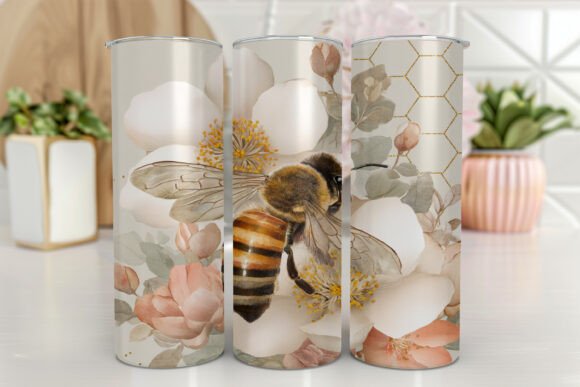
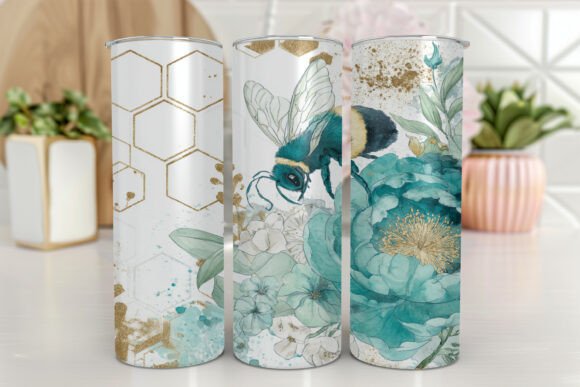
Upon opening the .zip archive and inspecting the 300 DPI file, the first thing that strikes me is the clarity. The dimensions, specified at 9.3″ x 8.2″, offer a generous canvas. For a sublimation wrap, this is perfect for a 20oz straight skinny tumbler. However, from an embroidery perspective, this scale suggests a statement piece. The theme is naturally cheerful and rustic, evoking a "busy bee" or garden aesthetic that fits perfectly with current trends in boutique home decor and spring fashion.
The layout appears balanced, with a central focus that would translate well to a large embroidered patch or a back-yoke design on a denim jacket. The visual personality is friendly and approachable, making it an ideal candidate for personalized gifts or items intended for a younger demographic. When I visualize this as a finished product, I see it working beautifully on a canvas tote bag design or as a focal point on a kitchen towel. The key here is the resolution; 300 DPI gives us enough data to trace clean vector lines for digitizing, ensuring that the transition from pixel to thread remains sharp.
Real-World Application: From Screen to Stitch
Let's move away from theory and talk about a specific scenario. Imagine a local craft fair where you are selling handmade products aimed at gardeners and teachers. You decide to create a line of heavy cotton aprons. The Bee Tumbler Sublimation Design 20oz serves as an excellent reference image for creating a custom applique design. Because the original graphic is large, you can scale it down slightly to fit a 5x7 hoop without losing the integrity of the bee's wings or the surrounding floral elements.
In this context, the design shines as a sweatshirt embroidery option as well. Picture a oversized, cream-colored crewneck with this bee motif stitched in warm golds, blacks, and soft greens on the chest. The simplicity of the subject matter allows for creative stitch choices. You could utilize a satin stitch for the outlines to give a polished, professional edge, while using a lighter fill stitch for the body of the bee to keep the garment flexible. For a baby embroidery project, such as a nursery wall hanging or a blanket corner, the gentle curves of the design avoid harsh angles, making it visually soothing for a child's room.
For Etsy sellers and small shop product creators, versatility is currency. This graphic could be adapted into a series of holiday embroidery items by simply changing the thread palette—think orange and black for Halloween or pastels for Easter. The ability to repurpose one strong visual asset across multiple seasons is a huge win for craft business efficiency.
Navigating Technical Challenges
However, we must address the elephant in the room: this is a sublimation graphic, not a pre-digitized stitch file. This distinction is critical. If you attempt to use auto-digitizing software on this image without manual intervention, you risk creating a disaster. The stitch density could become excessive, leading to puckering, especially on stretchy fabrics like t-shirts or thin materials like silk blends.
When adapting this for custom apparel, you need to be mindful of the background. Sublimation designs often rely on white space or gradients that do not translate directly to thread. You will need to decide whether to stitch the background or let the fabric show through. For dark fabrics, you might need to create a backing layer or choose an applique design approach where the bee is cut from fabric and stitched down, rather than filling the entire area with thread. This reduces bulk and improves the drape of the garment.
Curved surfaces present another hurdle. While the original intent is a straight tumbler, if you try to apply this concept to a structured cap, the 9.3-inch height is simply too tall. You would need to isolate specific elements of the Graphics file—perhaps just the bee itself—and resize it significantly to fit a standard cap frame. Tiny lettering, if present in the original art, should be removed or enlarged; small text rarely survives the stitching process clearly on textured fabrics like towels or pique polo shirts.
Enhancing Value and Professionalism
The true value of the Bee Tumbler Sublimation Design 20oz lies in its potential to elevate your brand consistency. Using a high-quality source image ensures that your printable mockup files look crisp and professional, which drives buyer engagement online. When a customer sees a clear, well-proportioned design in your shop listings, it builds trust. They assume the physical finished product will match that quality.
For commercial embroidery projects, clarity is king. A design that looks muddy or pixelated when scaled up screams "amateur." By starting with a 300 DPI file, you ensure that every curve and corner is defined. This attention to detail reflects in the final stitch-out, resulting in a product that feels premium. Whether it is a personalized gift for a wedding or a batch of uniforms for a local cafe, the professionalism of the underlying artwork sets the stage for success.
Practical Notes for the Smart Designer
Before you commit to stitching this on a client's expensive garment, follow these practical steps:
- Test on Scrap Fabric: Always run a test stitch-out on the same material you plan to use for the final product. This reveals how the fabric reacts to the tension and density.
- Check Thread Contrast: Since you are interpreting a sublimation image, carefully select thread colors that provide enough contrast to define the shapes without clashing.
- Review Stitch Density: If you are digitizing this yourself, ensure you are not over-stitching. Use running stitch for fine details and reserve dense fills for larger areas.
- Confirm Hoop Size: The original dimensions are large. Verify that your machine's hoop size can accommodate the scaled version of the design you intend to create.
- Inspect Small Details: Zoom in on the digital file. Are there tiny gaps or isolated pixels that won't stitch well? Clean up the image before digitizing.
- Use Proper Stabilizer: For a design of this potential size, a cut-away stabilizer is often safer than tear-away, especially for items that will be washed frequently.
- Verify Licensing: The product description notes this is for digital files only. Always confirm the license terms regarding commercial embroidery and selling finished items before listing them in your store.
In conclusion, the Bee Tumbler Sublimation Design 20oz is a robust starting point for creative entrepreneurs. While it requires the skilled hand of a digitizer to transform it from a Graphics file into a stitch-ready asset, its high resolution and charming theme make it a worthwhile investment for your design assets library. With careful planning regarding fabric choice and stitch technique, this design can become a staple in your lineup of handmade products, delighting customers with its warmth and precision.