Blooming Roses Tumbler: A Designer's Practical Review
As a designer who spends more time staring at stitch simulations than most people care to admit, I approach every new digital embroidery file with a healthy dose of skepticism. We have all been burned by files that look stunning on a screen but turn into a tangled mess of thread breaks and puckering on the machine. So, when I first encountered the Blooming Roses Tumbler, my initial reaction was cautious curiosity. The product description highlights its utility for sublimation sellers, promising consistent color and crisp edges at 300 DPI. But my job is to translate those visual promises into the tactile reality of thread and fabric. Does this graphic hold up when converted from a flat image to a textured handmade product? Let's dig into the practicalities.
First Impressions and Visual Personality
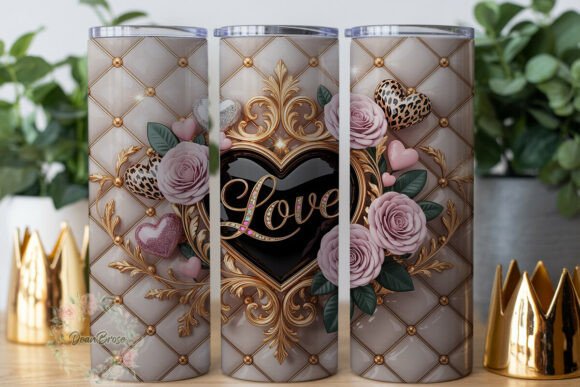
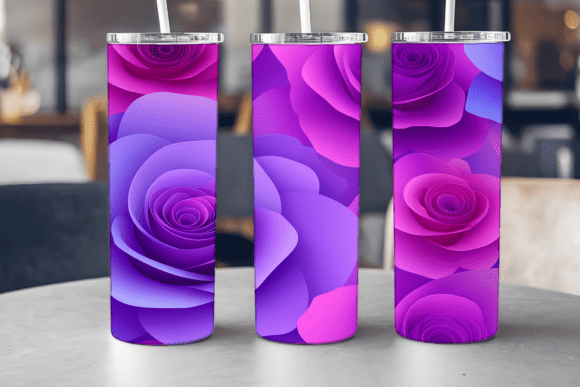
The first thing that strikes me about the Blooming Roses Tumbler design is its mood. It feels romantic yet grounded, avoiding the overly saccharine vibe that plagues many floral motifs. The layout suggests a natural flow, which is critical when you are planning an embroidery project. In the world of Tumbler Wraps and Graphics, we often see designs that are too busy or lack negative space. This design, however, seems to breathe. The rose elements appear distinct, suggesting that if digitized correctly, they could translate beautifully into a combination of satin stitch for the petals and fill stitch for the leaves.
For a small business owner or an Etsy seller, visual appeal is currency. This design carries a boutique aesthetic that elevates a simple item into something giftable. It creates an immediate sense of value. When a customer sees a well-executed floral motif, they associate it with care and craftsmanship. That is the kind of brand consistency you want to build. Whether you are creating a printable mockup for your shop or stitching the final piece, the clarity of the lines in the source file suggests a high potential for a professional finished product.
Real-World Application Scenarios
Let's move beyond theory and talk about where this design actually lives. Imagine you are preparing a custom order for a local boutique. They need a run of custom apparel for a spring collection. The Blooming Roses Tumbler graphic, once adapted into an embroidery file, would be spectacular on a lightweight linen tote bag. The organic shape of the roses complements the texture of linen, adding a touch of elegance without overwhelming the fabric.
Alternatively, consider the holiday embroidery market. As Mother's Day or Valentine's Day approaches, the demand for personalized items spikes. This design fits perfectly on a high-quality kitchen towel or a tea towel. Here, the "crisp edges" mentioned in the product description become vital. If the details are too fine, they will get lost in the loop of the terry cloth. However, if the design is scaled appropriately, it becomes a standout personalized gift. I can also envision this working wonderfully as an embroidered patch applied to a denim jacket or a canvas backpack, giving a maker a unique small shop product to offer.
For those running a craft business, versatility is key. Could this work on a sweatshirt? Absolutely. Sweatshirt embroidery requires a design that isn't too dense, or the fabric will stiffen uncomfortably. The open nature of the rose blooms in this graphic suggests it would sit well on fleece or French terry, provided the underlay is managed correctly. It creates a soft, vintage look that appeals to a wide demographic, from young adults to older collectors of botanical art.
Technical Considerations and Fabric Challenges
Now, let's address the elephant in the room: translation. The Blooming Roses Tumbler is sold as a PNG for sublimation, meaning it is a raster image. To use this for commercial embroidery, you must digitize it or have it professionally converted. This is where your judgment as a designer comes into play. You cannot simply auto-digitize a complex floral image and expect good results.
You need to be extremely careful with stitch density. Roses often have layered petals, which can lead to excessive buildup if every layer is stitched. On thin fabrics like a baby onesie or a silk blouse, this density could cause severe puckering or even tear the material. For baby embroidery, I would recommend simplifying the design, perhaps using an applique design approach where the rose shapes are cut from fabric and stitched down with a clean satin border. This reduces bulk and adds a charming, textured dimension.
Curved surfaces present another hurdle. While the original intent is for tumbler wraps, applying this to a cap or a curved pocket requires careful hoop placement. The design might distort if the fabric stretches unevenly during stitching. Always test on scrap fabric that matches your final material. Check how the thread colors interact with the base material. A dark thread on a light background pops, but on a dark garment, you might need to adjust the color palette or add a white underlay to prevent the fabric from showing through the stitches.
Essential Designer Notes for Success
Before you commit to producing a batch of goods, keep these practical steps in mind:
- Test First: Never skip the test stitch-out. Use the same fabric and stabilizer you intend to use for the final product. This reveals issues with registration and density before you waste expensive materials.
- Check Contrast: View your digitized version in black and white. If the details disappear in grayscale, the contrast is too low, and the design will lack definition when stitched.
- Hoop Size Matters: Ensure the design fits within your available hoop size without needing excessive re-hooping, which can lead to alignment errors.
- Licensing Verification: Since the source is a digital graphic intended for sublimation, confirm the licensing terms before selling embroidered versions. Some creators allow personal use only, while others permit commercial application. Protect your craft business by knowing the rules.
- Fabric Texture: Remember that fabric texture changes how a design looks. A smooth cotton shows fine detail, while a coarse burlap will absorb it. Adjust your expectations and stitch settings accordingly.
Final Verdict on Value and Usability
The Blooming Roses Tumbler offers a strong foundation for creative entrepreneurs. Its strength lies in its classic theme and balanced composition. When handled with technical skill, it has the power to enhance customer trust and elevate the perceived value of your items. It transforms a generic blank into a cherished keepsake. However, it demands respect for the medium. It is not a "click-and-go" solution for embroidery; it requires thoughtful adaptation from pixel to thread.
If you are willing to put in the prep work—checking the running stitch outlines, managing the fill angles, and selecting the right stabilizer—this design can be a star performer in your catalog. It bridges the gap between digital aesthetics and handmade warmth. For the apparel decorator looking to expand their floral offerings or the hobbyist wanting to create a stunning wedding gift, this graphic provides the visual soul you need. Just remember, the magic happens not in the download, but in the needlework that follows.