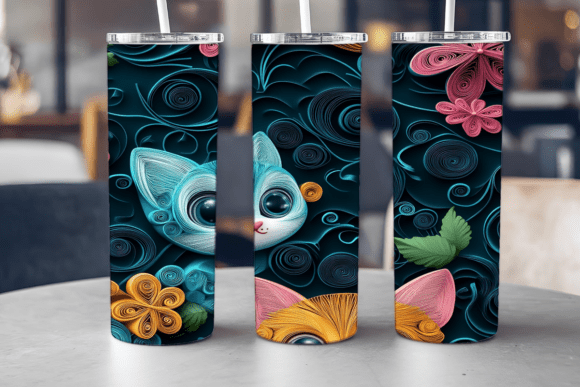
Cozy Cat Pattern Tumbler: A Designer's Real-World Review
As someone who spends more time staring at stitch maps than most people spend on their phones, I approach every new machine embroidery design with a healthy dose of skepticism. We've all been there: you buy a cute graphic online, load it onto your machine, and halfway through the run, you realize the density is going to turn your soft fleece into a cardboard shield. That is why I took a close look at the Cozy Cat Pattern Tumbler before committing it to any client projects or personal handmade products.
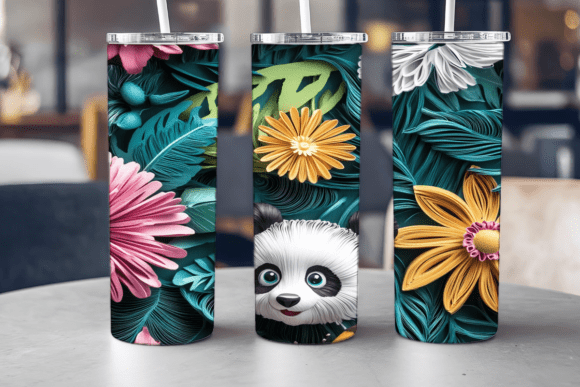
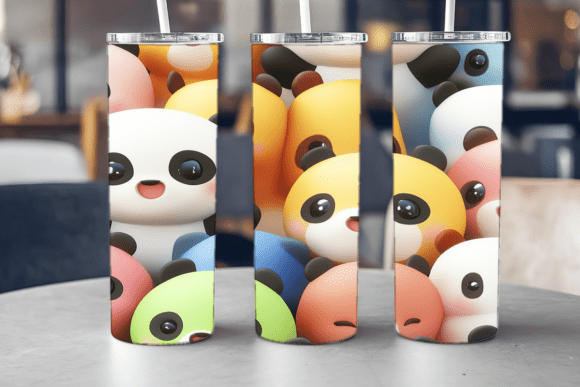
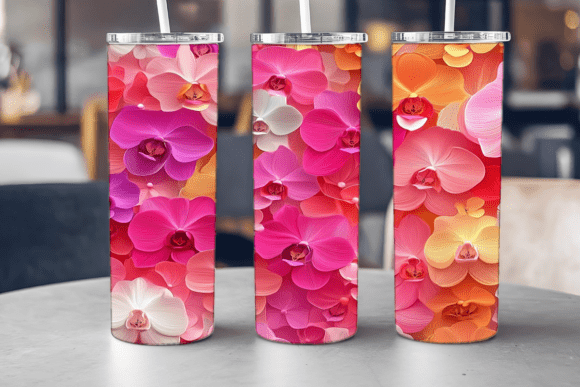
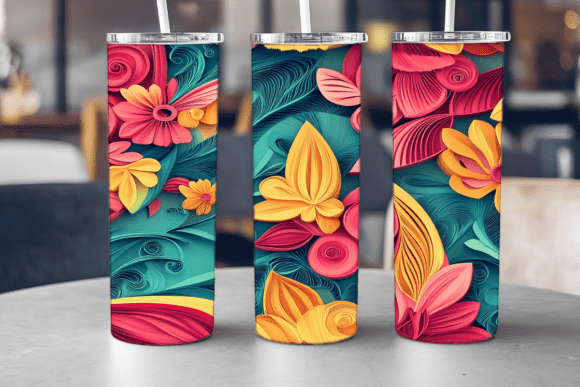
At first glance, this asset stands out because of its intended mood. The title suggests warmth, and the visual personality delivers exactly that. It isn't just a random cat image; it feels like a pattern meant to wrap around something, creating a sense of enclosure and comfort. For us in the craft community, translating a digital concept into thread is always the challenge. While the product description highlights its origin as a high-resolution graphic for Tumbler Wraps, my job as an embroidery designer is to figure out how those bold colors and clean lines translate when executed with a needle and thread.
From Digital Graphic to Stitched Reality
The source material for the Cozy Cat Pattern Tumbler is described as a digital download with pixels set at 300 DPI. In the world of Graphics and sublimation, this is the gold standard for clarity. However, when we move from printing to stitching, "bold colors" need to be interpreted through thread colors. My immediate thought was how this design would handle color blocking. A design that relies on subtle gradients in print can sometimes look muddy in embroidery if the digitizer hasn't accounted for thread blending.
Fortunately, the layout of this pattern seems conducive to standard embroidery techniques. The shapes appear distinct enough to utilize a mix of satin stitch for outlines and defining features, and fill stitch for the broader areas of the cat pattern. This combination is crucial for maintaining texture without overwhelming the base material. If you are planning to use this for a sweatshirt embroidery project, the balance between these stitch types will determine whether the garment remains wearable or becomes stiff.
Real-World Application: The Holiday Gift Rush
To truly test the viability of this design, I imagined a real-life scenario that many Etsy sellers and small shop owners face every year: the holiday gift rush. Let's say you have a client who wants a set of matching kitchen towels for their mother-in-law, featuring a theme that says "home" and "comfort." The Cozy Cat Pattern Tumbler fits this brief perfectly.
In this scenario, I would likely adapt the wrap-style graphic into a centered motif for a tea towel or perhaps a border design for an apron. The "cozy" aspect of the cat pattern shines here. Unlike aggressive or overly complex logos, this design invites touch. When a customer receives a personalized gift like this, the tactile quality of the embroidery adds value that a printed wrap simply cannot match. The visual appeal lies in the simplicity; it doesn't scream for attention, but it draws you in, which is exactly what you want for boutique branding or home decor items.
However, caution is required regarding the substrate. Since the original concept is a tumbler wrap, the design is likely wide. Placing a wide design on a curved surface like a cap or a narrow item like a baby bib requires careful resizing. If you shrink it too much for a baby embroidery project, you risk losing the definition of the smaller details in the pattern. Always check the minimum hoop size requirements before scaling down.
Navigating Fabric Textures and Density
One of the biggest hurdles in converting a graphic meant for smooth tumblers to fabric is fabric texture. A tumbler is rigid and flat; a sweatshirt is soft and textured. When applying the Cozy Cat Pattern Tumbler to stretchy fabrics like jersey knits or thick loops like terry cloth, the stitch density becomes the critical factor.
If the design is too dense, it will pucker the fabric, ruining the drape of a tote bag design or making a custom apparel piece uncomfortable to wear. My advice is to always test the design on scrap fabric first. Specifically, test it on the actual material you intend to sell. Run a sample on both a light and dark background to see how the thread colors pop. You might find that on a dark navy hoodie, you need to add an underlay or adjust the thread palette to ensure the cat pattern doesn't get lost in the shadows.
Furthermore, consider the washing instructions for the finished product. Items like kitchen towels and aprons undergo frequent laundering. A design with long, unsupported satin stitches might snag or fray over time. Ensuring that the digitized version of this pattern uses appropriate tie-offs and secure stitching methods is essential for maintaining customer trust and professionalism.
Commercial Viability and Brand Consistency
For creative entrepreneurs looking to expand their catalog, the Cozy Cat Pattern Tumbler offers versatility. It works well not just for physical goods but also for creating printable mockups to showcase your shop's aesthetic. Even if you aren't stitching it immediately, having a cohesive visual theme helps with brand consistency across your social media and listings.
That said, before listing any items made with this design, you must verify the licensing terms. The product note states "DIGITAL DOWNLOAD — NOTHING WILL BE MAILED," which confirms it is a file purchase, but it does not explicitly detail commercial rights. As a professional, I never assume. Check whether the license allows for unlimited sales of physical goods or if there are caps on production numbers. This due diligence protects your craft business from potential legal issues down the road.
Practical Notes for the Studio
If you decide to move forward with this design for your next embroidery project, keep these practical steps in mind:
- Stabilizer Selection: Match your stabilizer to the fabric weight. A cut-away stabilizer is often safer for garments that will be washed frequently, while tear-away might suffice for decorative patches.
- Contrast Check: View the design in black and white on your screen before stitching. This helps identify areas where contrast might be lost, ensuring the cat pattern remains distinct.
- Detail Inspection: Zoom in on the smallest corners of the pattern. If the details are too fine for your machine's needle size, you may need to simplify the file or increase the overall size.
- File Verification: Since specific file formats and stitch counts were not provided in the initial description, confirm that the download includes the format compatible with your specific machine brand.
In conclusion, the Cozy Cat Pattern Tumbler has the potential to be a standout element in a maker's portfolio. Its strength lies in its emotional resonance and adaptable layout. Whether you are creating a holiday embroidery gift, stocking up inventory for a craft fair, or designing a unique embroidered patch, this design offers a solid foundation. Just remember that the transition from a 300 DPI graphic to a stitched reality requires thoughtful preparation. With the right fabric, proper stabilization, and a keen eye for detail, you can turn this digital asset into a tangible product that customers will love to hold and keep.