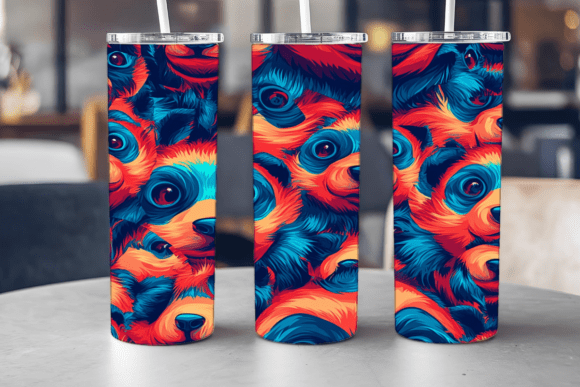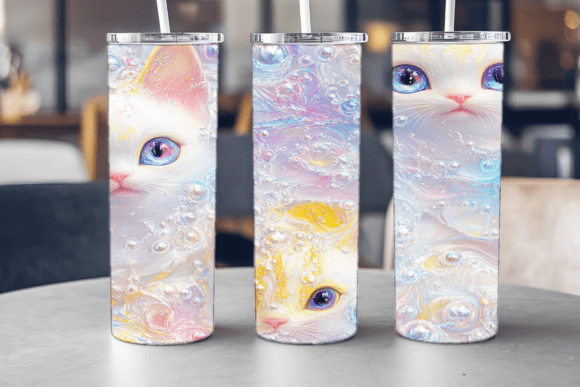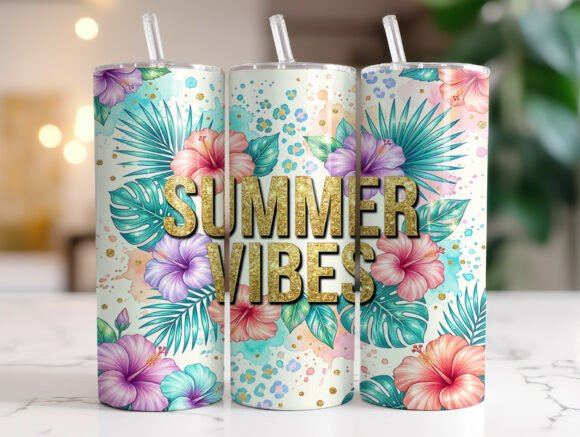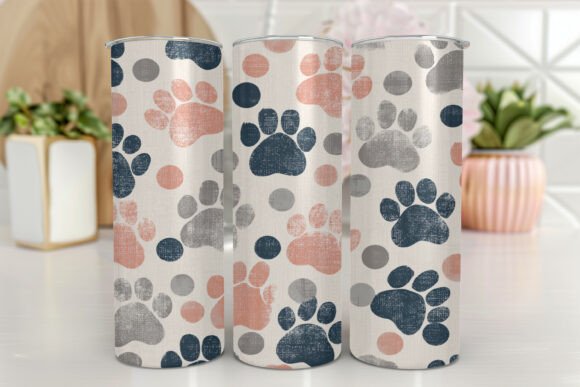
Cute Highland Cow Valentines Tumbler: A Designer's Review
As a designer who spends more time staring at stitch maps than most people spend looking at their phones, I approach every new digital embroidery file with a mix of excitement and skepticism. We've all been there: you buy a design based on a glossy thumbnail, only to find out the stitch density is a nightmare on pique knit or the tiny details turn into a bird's nest under the needle. So, when I came across the Cute Highland Cow Valentines Tumbler, I didn't just see a graphic; I saw a potential handmade product that needed to be stress-tested before it ever touched a client's custom apparel or boutique merchandise.
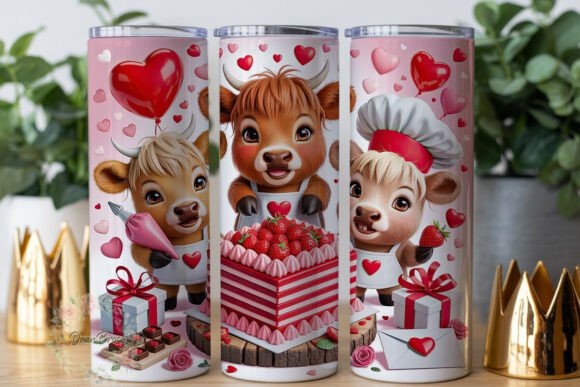
First, let's address the elephant in the room, or rather, the cow on the screen. The product listing describes this as a set of PNG files intended for Tumbler Wraps. Specifically, you get a version for straight tumblers and another for tapered ones, both boasting high-resolution dimensions of 9.3″ x 8.2″ at 300 DPI. As an embroiderer, my immediate reaction was to pause. This is a Graphics product, not a native machine embroidery design format like PES or DST. However, in today's hybrid crafting world, this distinction is less of a barrier and more of an opportunity for customization. For those of us running small shops or Etsy listings, having a crisp, watermark-free raster image allows us to convert the art into stitches using our preferred digitizing software, ensuring we control the thread colors and underlay settings specifically for the fabric we are using.
Visual Personality and Market Fit
The mood of the Cute Highland Cow Valentines Tumbler is undeniably charming. It taps into that cozy, rustic aesthetic that has dominated home decor and fashion for years. The combination of a shaggy Highland cow with Valentine's themes creates a visual personality that is both playful and sweet. It's not overly saccharine; it has enough character to appeal to adults who want a personalized gift that feels unique rather than mass-produced.
In a real-world scenario, imagine preparing a custom order for a local boutique that specializes in farmhouse-style kitchen goods. They need a run of embroidered tea towels or aprons for the upcoming holiday season. This design fits perfectly here. The layout is substantial enough to serve as a focal point on a tote bag design or the front of a heavy cotton sweatshirt. Because the source file is high resolution, the lines are clean, which translates well when you are tracing paths for satin stitch borders or defining areas for fill stitch coverage. If you were to use this for an embroidered patch, the bold shapes would hold up well against the dense stitching required for a durable backing.
From Screen to Stitch: Practical Application
While the original intent of these files is for sublimation or printing on tumblers, the versatility of the artwork makes it a strong candidate for various embroidery projects. Let's talk about how this performs when translated into thread. The key to success with a design like this lies in how you handle the "shaggy" texture of the cow's fur. In a printed graphic, this is handled by pixel gradients. In embroidery, you have to simulate this with stitch direction and length.
If you are digitizing this yourself for a sweatshirt embroidery project, I recommend using a mix of long running stitches and varied fill angles to mimic the woolly coat without creating excessive bulk. For a baby embroidery item, such as a onesie or a nursery wall hanging, you would want to simplify these textures to keep the finished product soft and comfortable against sensitive skin. The Valentine's elements—hearts, perhaps some text or floral accents—offer a great chance to play with contrasting thread colors. A vibrant red or soft pink against the earthy tones of the cow creates a striking visual that grabs attention on a craft fair table.
For Etsy sellers and creative entrepreneurs, this design asset offers significant value. You aren't just selling a sticker; you are creating a tangible item. Whether it's a pillow cover for a living room refresh or a cap for a country music festival, the adaptability of the image means you can create a cohesive brand line. The high DPI ensures that even if you scale the design down for a pocket logo or up for a blanket throw, the edges remain crisp, which is crucial for professional digitizing.
Navigating Fabric and Hoop Challenges
However, we must be realistic about where this design might struggle. Because the original file is large (over 9 inches), it demands a generous hoop size. If you are working with a standard 4x4 hoop, you will need to split the design or significantly resize it, which risks losing the finer details of the cow's face or the Valentine's motifs. Always check your machine's maximum hoop capacity before committing to a project.
Fabric choice is equally critical. On textured fabrics like terry cloth towels or waffle weave, the fine details of the graphic might get lost. In these cases, increasing the stitch count slightly or opting for an applique design approach—where you stitch a fabric shape down and then embroider the details on top—can save the day. Conversely, on stretchy fabrics like jersey knits used in custom apparel, you must use a robust stabilizer. Without proper stabilization, the dense areas of the design (if digitized heavily) could cause puckering, ruining the drape of the garment.
Dark fabrics present another consideration. Since this is a raster image, you need to ensure your digitized version includes a solid underlay or background fill if the design doesn't naturally cover the entire area. You don't want the dark shirt color showing through the gaps in the cow's fur unless that is a deliberate stylistic choice. Testing the design on scrap fabric of the same weight and color as your final product is non-negotiable. Run a test stitch-out to check for thread breaks, registration issues, and overall clarity.
Building Trust and Brand Value
Ultimately, the decision to use the Cute Highland Cow Valentines Tumbler graphics in your embroidery workflow comes down to the value it adds to your brand. Customers today are savvy; they can tell the difference between a lazy print-and-press job and a thoughtfully executed embroidered piece. By taking a high-quality graphic and translating it into a well-digitized machine embroidery design, you elevate the perceived value of the item.
This attention to detail builds customer trust. When someone receives a holiday embroidery gift or a wedding gift that features clean lines, appropriate stitch density, and durable construction, they associate that quality with your shop. It turns a simple transaction into a memorable experience. Furthermore, because the downloaded files do not include watermarks, you have the freedom to create clean printable mockups for your online store, giving potential buyers a clear idea of what the final product will look like on different backgrounds.
Before you dive in, remember to verify the licensing terms. While the description implies commercial use for finished physical goods, always confirm if the license extends to reselling the digital file itself or if it is strictly for physical small shop products. Assuming the license permits it, this design is a versatile addition to your library. Whether you are making a single personalized gift for a friend or rolling out a new collection of commercial embroidery items, the Cute Highland Cow Valentines Tumbler offers the kind of visual appeal and flexibility that modern makers need. Just remember: the file is the starting point, but your expertise with thread, fabric, and tension is what turns it into art.