Review: Blue and Black Glitter Leopard Tumbler Design
As a designer who spends more time at the hoop than away from it, I approach every new digital embroidery file with a mix of curiosity and skepticism. We've all downloaded a stunning graphic only to realize it translates poorly into thread. Today, I'm taking a close look at the Blue and Black Glitter Leopard Tumbler. While this asset is technically categorized under Tumbler Wraps and Graphics, my interest lies in how we can adapt its bold aesthetic for tangible, stitched projects. The visual promise here is high-energy and modern, but does it hold up when you swap pixels for polyester?
First Impressions: Mood and Visual Personality
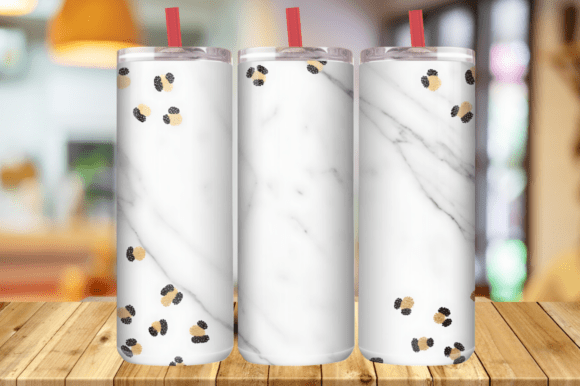
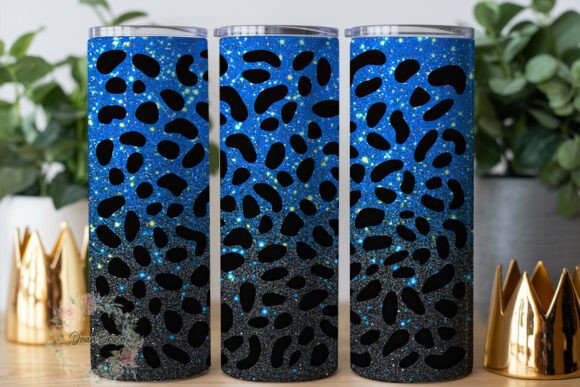
The first thing that strikes me about the Blue and Black Glitter Leopard Tumbler design is its attitude. It isn't trying to be subtle. The combination of deep black spots against a vibrant blue background, accented with that simulated glitter effect, creates a mood that is equal parts wild and luxurious. In the world of craft business trends, animal prints are perennial favorites, but the addition of the "glitter" element pushes this into the realm of statement pieces.
Visually, the layout feels dynamic. The spots aren't uniform; they have an organic flow that prevents the pattern from looking like a cheap stamp. For an embroidery project, this irregularity is a double-edged sword. It offers natural movement, which looks fantastic on curved surfaces or draped fabrics, but it demands careful attention to stitch direction. If you were to translate this directly into a fill stitch pattern without adjusting density, you risk losing the definition between the blue and black areas. The high resolution (300 DPI) mentioned in the file specs suggests crisp edges, which is a good sign for digitizing potential, even if we are using it as a reference for a custom machine embroidery design.
Real-World Application: From Screen to Stitch
Let's move beyond theory and talk about a real scenario. Imagine a client comes to your small shop product line asking for a custom tote bag for a boutique launch. They want something eye-catching that screams "limited edition." This is where the Blue and Black Glitter Leopard Tumbler aesthetic shines. Instead of printing the PNG directly onto fabric, which can feel flat, I would use this graphic as the blueprint for a large-scale embroidered patch.
By recreating the leopard spots using a mix of satin stitch borders and textured fill stitches, you can mimic the glitter effect physically. You might use a metallic thread for the blue sections or a variegated thread to add depth. On a canvas tote bag design, this level of texture adds significant perceived value. Customers aren't just buying a bag; they are buying a piece of art. Similarly, for sweatshirt embroidery, this pattern works beautifully as an all-over print on the sleeve or a concentrated motif on the back. The contrast between the dark spots and the bright blue ensures visibility even from a distance, making it perfect for custom apparel meant to be seen at events or craft fairs.
However, we must address the elephant in the room: this is sold as a graphic for tumblers. As an Etsy seller or creative entrepreneur, you need to be clear about what you are selling. If you are offering sublimation blanks, this PNG is ready to go. But if you are marketing a handmade product involving stitching, you are likely using this image as inspiration or a placement guide rather than stitching the PNG itself. Always clarify this distinction to avoid customer confusion regarding the finished product.
Navigating Technical Challenges
Translating a high-detail graphic like the Blue and Black Glitter Leopard Tumbler into thread requires technical foresight. One major consideration is stitch density. Leopard prints involve many small, isolated shapes. If your digitizing software auto-generates this without manual intervention, you might end up with excessive jump stitches or a design that puckers the fabric. For thin fabric or stretchy materials like jersey knits used in baby embroidery, this density could be disastrous. In these cases, I recommend simplifying the spot count or using an applique design technique where the black spots are cut from fabric and stitched down, reducing the bulk of thread buildup.
Another critical factor is the hoop size. The dimensions provided (9.3″ x 8.2″) indicate a large format. Not every home machine can handle this in one go. You may need to split the design or ensure you have a mega-hoop available. Furthermore, when working on curved surfaces like caps, a design of this scale needs to be broken down. Trying to force a large, complex leopard print onto the front panel of a cap will result in distortion. It is better suited for the side panels or as a smaller, simplified emblem.
Fabric texture also plays a huge role. On a smooth cotton, the details will pop. On a textured fabric like a waffle knit or a fuzzy fleece, the finer details of the "glitter" effect might get lost. Always test the design on scrap fabric first. Check how the thread colors interact with the base material. A navy blue thread on a black garment might vanish, so ensure you have enough contrast to maintain the integrity of the leopard pattern.
Enhancing Brand Value and Customer Trust
In the competitive landscape of commercial embroidery, consistency is key. Using a distinctive pattern like the Blue and Black Glitter Leopard Tumbler can help establish a recognizable brand identity. If you specialize in bold, trendy items, this design fits perfectly into a cohesive collection. It signals to buyers that you are current and attentive to style trends.
Moreover, the quality of your execution directly impacts customer trust. A sloppy stitch-out of a complex pattern looks messy and unprofessional. However, a well-executed version with clean edges, proper stabilizer usage, and thoughtful thread selection elevates the item from a simple craft to a premium good. This attention to detail encourages repeat business and positive reviews, which are the lifeblood of any craft business. Whether it's a holiday gift, a wedding gift for a bridesmaid, or a personalized product for a loyal client, the finish matters.
Practical Notes for the Professional Maker
Before you commit to producing a run of items based on the Blue and Black Glitter Leopard Tumbler, keep these practical steps in mind:
- Verify Licensing: Since this is a digital graphic, confirm the license terms. Can you use it to create physical goods for sale? Most designers allow this, but some restrict the resale of the digital file itself.
- Mockup Testing: Create printable mockups in both color and black and white. This helps you visualize contrast issues before you ever thread the needle.
- Stabilizer Selection: For a design with this much coverage, a cut-away stabilizer is often safer than tear-away, especially for garments that will undergo frequent washing.
- Thread Contrast: Don't assume standard blues and blacks will work. Test metallic or shimmer threads to truly capture the "glitter" vibe in physical form.
- Check File Formats: The product includes PNG files. Remember, these are images, not stitch files. You will need to digitize them or use them as print references unless you find a pre-digitized version.
Ultimately, the Blue and Black Glitter Leopard Tumbler is a versatile visual asset. While it originates as a Graphic for Tumbler Wraps, its true potential for the embroidery community lies in its adaptability. With the right technical approach and a keen eye for detail, it can transform ordinary fabrics into extraordinary design assets that resonate with modern buyers. Just remember: respect the medium, test your materials, and let the boldness of the design lead the way.