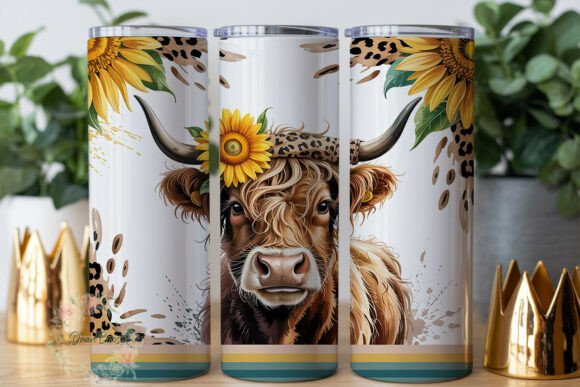
Review: Highland Cow Sunflower Leopard Tumbler Design
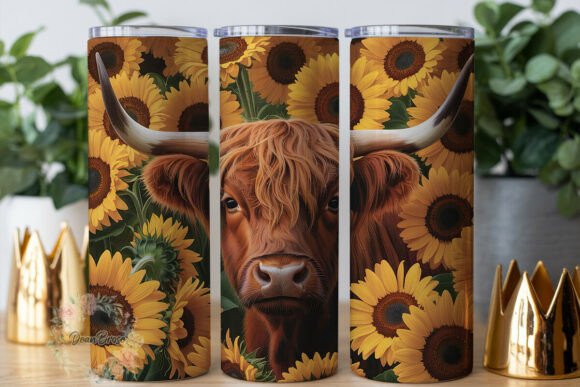
As a designer who spends more time staring at stitch maps than most people care to admit, I approach every new machine embroidery design with a mix of curiosity and skepticism. When I first laid eyes on the Highland Cow Sunflower Leopard Tumbler, my initial reaction wasn't just about the cuteness factor—though let's be honest, the combination of a shaggy highland cow, bright sunflowers, and leopard print is undeniably trendy. My first thought was practical: how does this translate from a digital graphic into a tangible, stitched reality? This isn't just a pretty picture; it's a potential asset for your craft business, and treating it with that level of scrutiny is what separates a hobbyist from a professional Etsy seller.
The product description lists this under Tumbler Wraps and Graphics, providing PNG files for both straight and tapered tumblers at a high resolution of 300 DPI. While these specs are perfect for sublimation or UV printing, us embroidery folks have to do a little extra mental gymnastics. We aren't just printing ink; we are laying down thread. The visual personality of this design screams "boutique chic." It hits that sweet spot between rustic farmhouse and modern glam. If you are preparing a custom order for a client who wants something unique for their kitchenware or a personalized gift for a friend who loves animals and bold patterns, this theme is a winner. However, adapting a tumbler wrap graphic for fabric requires a keen eye for detail.
Translating Graphics into Stitched Reality
Let's talk about a real-world scenario. Imagine a customer approaches you for a custom sweatshirt embroidery project. They love the highland cow motif but want it on a cozy crewneck rather than a cup. The Highland Cow Sunflower Leopard Tumbler graphic provides an excellent layout foundation. The composition likely features the cow as the focal point, framed by sunflowers and accented with leopard spots. In an embroidery project, this translates beautifully if managed correctly. The sunflowers offer a chance to use vibrant yellows and oranges in fill stitch, creating texture that mimics petals. The leopard print elements can be simplified into strategic satin stitches or small fill areas to avoid becoming a muddy mess.
The mood this design creates is warm, playful, and slightly wild. It fits perfectly into the current market demand for "maximalist cute." For a small shop product, this kind of visual appeal drives engagement. Customers scrolling through an online store stop for designs that tell a story. A highland cow wearing sunglasses (a common trope in this niche) surrounded by flowers suggests a carefree, happy vibe. When executed well on a tote bag design or a pillow cover, it elevates the perceived value of the handmade product. It doesn't look like a generic clip-art slap; it looks like a curated piece of art.
Navigating Fabric and Technical Challenges
Here is where my experience kicks in, and where you need to be careful. The original files are PNGs intended for printing. If you are using this as a reference to create an embroidery file or if the seller provides a digitized version based on this graphic, you must consider stitch density. Leopard print consists of many small, irregular shapes. If you try to stitch every single spot with high density on a stretchy fabric like a t-shirt or baby clothes, you risk puckering and stiffness. On thin fabric, this could be disastrous without the right stabilizer.
I recommend testing the design on scrap fabric first. This is non-negotiable. Check how the thread colors contrast against your chosen material. A dark navy sweatshirt might make the yellow sunflowers pop, but will the black leopard spots disappear? Conversely, on a light heather grey, the details might shine, but you need to ensure the backing doesn't show through sparse stitching areas. For curved surfaces like caps, the layout of the Highland Cow Sunflower Leopard Tumbler might need adjustment. The wide aspect ratio of a tumbler wrap doesn't always translate well to the limited, curved real estate of a hat front. You might need to isolate the cow and one sunflower for a baby embroidery project on a onesie, rather than using the full panoramic layout.
Also, consider the hoop size. The dimensions listed are 9.3″ x 8.2″, which is quite large. Not everyone has a jumbo hoop. If you are scaling this down for an embroidered patch or a pocket detail, watch out for tiny lettering or minute details in the cow's fur. These can get lost or cause thread breaks if the digitizing isn't optimized for smaller scales. Always inspect small details before committing to the final run.
Commercial Viability and Brand Consistency
For those running a commercial embroidery operation, consistency is key. Does this design fit your brand? If your shop specializes in delicate, monochromatic florals, this bold, multi-textured design might feel out of place. However, if your brand is known for fun, eclectic, and colorful items, the Highland Cow Sunflower Leopard Tumbler is a perfect addition to your catalog. It works exceptionally well for holiday gifts, particularly for Mother's Day or Christmas, where personalized, whimsical items are in high demand.
Visual clarity is crucial for customer trust. A finished product that looks sloppy with pulled threads or poor color choices damages your reputation. Ensure that the transition between the organic shapes of the sunflowers and the geometric randomness of the leopard print is smooth. Using a running stitch for outlines can help define edges without adding bulk. When creating printable mockups for your Etsy listings, use high-quality images of the actual stitched result rather than just the digital PNG. Show the texture of the thread. This honesty builds buyer engagement and sets realistic expectations.
Final Verdict and Designer Notes
In conclusion, the Highland Cow Sunflower Leopard Tumbler is a versatile and visually striking concept that holds immense potential for various design assets. Whether you are making a personalized gift for a family member or producing inventory for a craft fair, the key lies in adaptation. Do not simply assume the graphic will work exactly as-is on fabric.
Before you start stitching, keep these practical notes in mind:
- Check Licensing: Confirm whether the license allows for commercial use of the finished physical item. Since the source files are PNG graphics, ensure you have the rights to digitize them for embroidery if that is your intent.
- Fabric Selection: Avoid very textured fabrics like heavy bouclé for this design, as the detailed leopard spots and flower petals need a smooth surface to register clearly.
- Color Testing: Test the design in black and white mockups first to check contrast levels before selecting your thread palette.
- Stabilizer Choice: Use a cut-away stabilizer for garments that will be washed frequently to prevent distortion over time.
- Detail Review: If digitizing yourself, simplify the leopard spots. Less is often more when dealing with small, repetitive patterns in thread.
This design has the power to become a bestseller in your small shop if treated with the respect and technical know-how it deserves. It bridges the gap between digital trendiness and tactile craftsmanship, offering a fresh take on the ever-popular animal and floral motifs. Just remember, the difference between a good product and a great one is often in the preparation and the attention to the specifics of the medium.