Review: Orchid Garden Escape Tumbler Design
As a designer who spends more time staring at stitch maps than most people care to admit, I approach every new digital embroidery file with a mix of excitement and skepticism. We have all been burned by beautiful previews that turn into thread nests on the machine. So, when I first laid eyes on the Orchid Garden Escape Tumbler, my immediate reaction was to look past the vibrant PNG mockup and imagine how those orchid petals would actually translate into thread. This isn't just about a pretty picture; it is about whether this design can hold up under the needle for a real handmade product intended for sale or gifting.
The Aesthetic Mood and Visual Personality
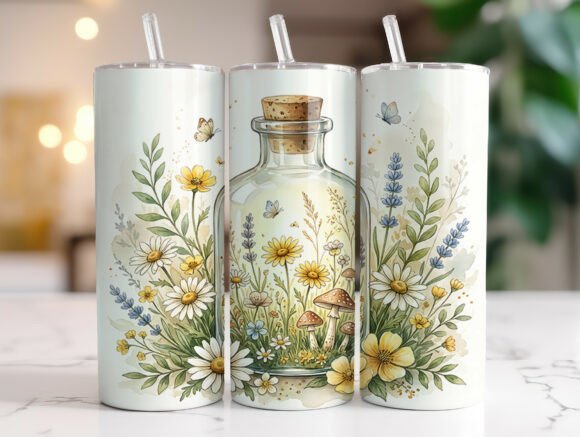
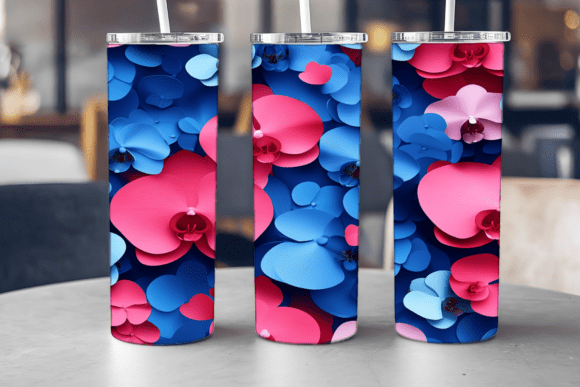
The first thing that strikes you about the Orchid Garden Escape Tumbler is its mood. It feels lush, tropical, and slightly exotic without being overwhelming. The layout suggests a wrap-around style, which is fantastic for creating an immersive visual experience on cylindrical items. For a designer, the flow of the composition is critical. Does the eye travel naturally across the surface? In this case, the arrangement of the orchids seems to encourage a gentle rotation, inviting the viewer to turn the item in their hands.
However, translating a high-resolution graphic meant for sublimation or printing into a machine embroidery design requires a different lens. While the source material boasts 300 DPI and full color depth, we must consider how those gradients and fine lines will behave as satin stitch or fill stitch elements. The "escape" theme implies a sense of relaxation and nature, making it an ideal candidate for spa-themed merchandise, boutique wellness products, or summer collections. It has a sophisticated visual personality that moves away from cartoonish florals toward something more botanical and refined.
Real-World Application: Beyond the Tumbler
Although the product description highlights its perfection for 20oz skinny tumbler seams, my mind immediately went to other applications where this floral motif could shine. Imagine preparing a custom order for a local boutique that specializes in yoga apparel. I could see the Orchid Garden Escape Tumbler motif adapted beautifully onto a tote bag design. The organic shapes of the orchids would complement canvas or heavy cotton perfectly, adding a touch of elegance to a utilitarian item.
Consider a scenario where a client requests a coordinated set for a bridal party. While the original intent might be drinkware, this design could easily become the centerpiece of a sweatshirt embroidery project. Placed on the upper back or as a large chest piece, the floral details would elevate a simple fleece hoodie into a high-end custom apparel piece. For Etsy sellers looking to expand their catalog, adapting this graphic for a zippered pouch or a cosmetic bag could create a cohesive "Orchid Garden" collection. The versatility lies in the strength of the central imagery; if the flowers are distinct and well-defined, they work on almost any fabric base.
Technical Considerations for Stitching
Here is where we need to be realistic. A design sized for a tumbler wrap often features continuous curves and potentially dense coloring to mimic the look of a print. When moving this to fabric, stitch density becomes a major concern. If the orchid petals are too densely filled, the resulting finished product might feel stiff or cause the fabric to pucker, especially on lighter materials like linen or thin cotton tees.
Before committing to a production run, I would strongly advise testing the design on scrap fabric that matches your final material. Pay close attention to the transition areas between colors. In embroidery, unlike printing, we cannot rely on infinite color blending. You may need to adjust thread colors to ensure there is enough contrast between adjacent petals so the details don't merge into a blob of thread. Additionally, check the small details. Are there tiny leaves or intricate centers that might get lost if stitched at a smaller scale? If you plan to use this as an embroidered patch, ensure the border is robust enough to handle cutting and merrow edging.
Fabric texture also plays a huge role. On a smooth polyester tumbler sleeve, the design looks crisp. On a textured fabric texture like a waffle knit towel or a rough canvas tote, those fine lines might break up. For dark fabrics, you will need to verify if the design includes an underlay or if you need to add one manually to prevent the background color from showing through the stitches. Always use the appropriate stabilizer; for a design with this much coverage, a cut-away stabilizer is likely necessary to maintain shape after washing.
Commercial Viability and Brand Consistency
For small shop product owners and craft business entrepreneurs, the value of a design lies not just in its beauty, but in its ability to build brand trust. Using a high-quality, coherent design like the Orchid Garden Escape Tumbler signals professionalism. Customers can tell when an embroidery job is sloppy versus when it is precise. If the stitching is clear and the colors are vibrant, it enhances the perceived value of the item, allowing you to price your personalized gift or boutique item higher.
However, caution is needed regarding licensing. Since this is described as a digital file for instant delivery, you must confirm the terms before selling commercial embroidery items made with it. Can you sell the physical embroidered goods? Can you sell the digitized file itself? Never assume. Clear licensing protects your craft business from legal issues and ensures you are respecting the creator's work. Furthermore, consider how this design fits your existing brand. If your shop focuses on rustic farmhouse decor, a tropical orchid might feel out of place unless you are intentionally expanding your seasonal offerings for spring or summer.
Final Verdict for Makers
The Orchid Garden Escape Tumbler offers a compelling visual starting point for a variety of projects. Its strength lies in its thematic clarity and potential for adaptation across different Tumbler Wraps and textile surfaces. However, success depends on the maker's willingness to test and tweak. Do not simply load the file and hope for the best. Check the hoop size requirements to ensure your machine can handle the span of the design. Inspect the stitch sequence to minimize jumps and trims, which saves time and improves the finish.
Whether you are creating a holiday embroidery gift for a friend, stocking up inventory for a craft fair, or designing a new line of baby embroidery items (perhaps scaled down for a onesie), this design has potential. Just remember that a great graphics file is only half the battle; the magic happens when you apply your expertise in thread tension, fabric choice, and stabilization to bring those digital orchids to life. Treat it as a flexible asset rather than a rigid template, and you will find it adds significant value to your portfolio of design assets.