Review: 20 Oz Skinny Tumbler Sublimation Paw Design
As a designer who spends half my life staring at digitized files and the other half wrestling with thread tension, I approach new design assets with a healthy dose of skepticism. We often see listings that look fantastic on a screen but fall apart the moment a needle hits fabric. Today, I am taking a close look at the 20 Oz Skinny Tumbler Sublimation Paw. While the product listing categorizes this under Tumbler Wraps and Graphics, my interest lies in its potential adaptation for physical textile projects. Can a high-resolution graphic intended for sublimation translate into a viable machine embroidery design or serve as a robust template for custom apparel? Let's dig into the practical realities of using this asset in a real-world craft business.
First Impressions: Mood and Visual Personality
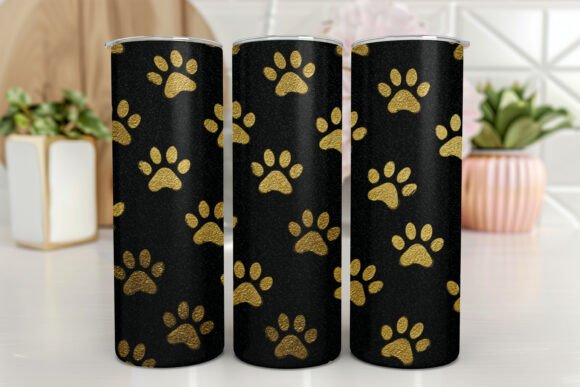
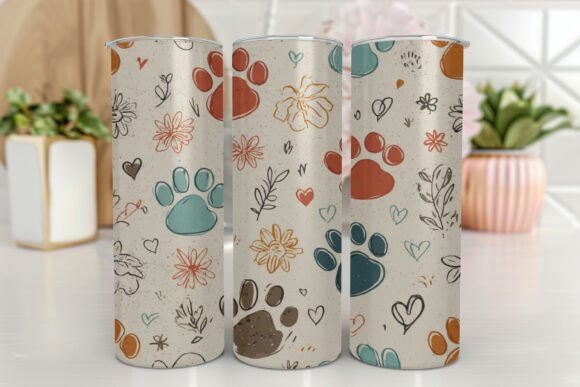
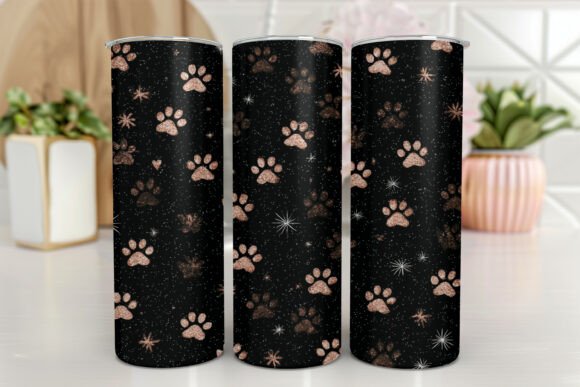
Upon opening the .zip archive and inspecting the file, the first thing that strikes me is the clarity. The listing promises a high resolution of 300 DPI with dimensions of 9.3″ x 8.2″, specifically tailored for a 20oz straight skinny tumbler. Visually, the paw motif exudes a warm, approachable vibe. It is not overly aggressive or hyper-realistic; instead, it carries a softness that suggests comfort and companionship. This mood is crucial when selecting art for an embroidery project. A design that feels too rigid often looks stiff when stitched, but this paw print has an organic flow that hints at how it might behave under a satin stitch or a textured fill stitch.
The layout is compact yet bold enough to stand out. For those of us creating handmade products, the visual weight of a design determines where it can be placed. This particular graphic feels versatile. It isn't so intricate that it demands a massive hoop, nor is it so simple that it gets lost on a large garment. It strikes a balance that makes it suitable for everything from a cozy sweatshirt embroidery panel to a subtle accent on a tote bag.
Real-World Application: From Screen to Stitch
To truly evaluate the 20 Oz Skinny Tumbler Sublimation Paw, I imagined a specific scenario: a local boutique owner needs a run of personalized aprons for a pet grooming salon. They want something durable, washable, and instantly recognizable. While the original file is a graphic for sublimation, using it as a reference to create a custom applique design or digitizing it for direct stitching offers immense value.
If you are an Etsy seller or a small shop owner, consider how this translates to a tote bag design. The paw shape is iconic. When rendered in thread, perhaps using a contrasting thread colors scheme like charcoal grey on cream canvas, it becomes a statement piece. The 9.3-inch height allows it to dominate the front of a standard tote without overwhelming the fabric. Alternatively, scaling it down could make it perfect for baby embroidery on a onesie or a nursery pillow cover. The simplicity of the subject matter ensures it appeals to a broad demographic, from new pet owners to animal shelter volunteers looking for holiday embroidery gifts.
For commercial embroidery projects, consistency is key. Because the source file is high-resolution, tracing or digitizing from this base ensures that every unit you produce looks identical. Whether you are making patches for hats or branding for a veterinary clinic, the clean lines of this paw graphic provide a solid foundation for professional results.
Navigating Technical Challenges and Fabric Choices
However, moving from a digital graphic to a stitched reality requires careful planning. There are specific scenarios where you must proceed with caution. If you attempt to use this design on stretchy fabrics like jersey knits without proper stabilization, the shape could distort. The curves of the paw pads need a stable base to maintain their definition. I strongly advise using a cut-away stabilizer for garments that will undergo frequent washing, such as t-shirts or active wear.
Another consideration is stitch density. If you are digitizing this graphic yourself based on the provided image, avoid making the fill areas too dense. High density on a small hoop can cause puckering, especially on thinner fabrics like linen tea towels or lightweight cotton blends. Conversely, if the design is too sparse, it may lack the premium feel customers expect from a finished product. Testing on scrap fabric is non-negotiable here. You need to see how the light interacts with the thread texture before committing to a client's expensive blank.
Dark fabrics present another hurdle. Since the original file is likely designed with light tumblers in mind, the color palette might need adjustment for dark apparel. A black paw on a navy sweatshirt might disappear. In these cases, incorporating a border or using a lighter thread shade for the outline can ensure the design pops. Additionally, be mindful of tiny details. If the graphic includes minute textures, they may not translate well to a running stitch at smaller sizes. Simplifying the interior details while keeping the silhouette strong is often the best approach for embroidery.
Enhancing Brand Value and Customer Trust
Ultimately, the choice of design impacts your brand perception. Using a crisp, well-proportioned image like the 20 Oz Skinny Tumbler Sublimation Paw signals professionalism. Customers can tell when a design is pixelated or poorly adapted. By ensuring your custom apparel features clean edges and thoughtful color choices, you build trust. This is particularly important for personalized gifts where emotional value is tied to the quality of the item.
For digital product sellers, this asset can also serve as a powerful element in printable mockups. Even if you aren't stitching it yourself, showing how the design would look on various textures helps buyers visualize the end result. It bridges the gap between a digital file and a tangible small shop product.
Practical Notes for the Studio
Before you start stitching or selling, keep these practical tips in mind:
- Verify Licensing: The listing states this is for digital files only. Always confirm the license terms before selling finished items or modified digital versions. Some creators allow commercial use of finished goods but restrict reselling the file itself.
- Check Dimensions: Ensure the 9.3″ x 8.2″ size fits your intended hoop. You may need to resize the design, which can affect stitch quality if not done correctly in your embroidery software.
- Test Contrast: Create black and white mockups to check if the design holds up without color reliance. This helps identify areas that might need outlining.
- Fabric Compatibility: Remember that what works on a rigid tumbler wrap behaves differently on a curved cap or a soft blanket. Adjust your stabilizer and tension accordingly.
- Thread Selection: Choose high-quality threads that match the mood of the paw print. Matte threads often look more natural for animal motifs than shiny rayon.
In conclusion, while the 20 Oz Skinny Tumbler Sublimation Paw is marketed as a graphic for drinkware, its clean lines and universal appeal make it a hidden gem for textile artists. With the right digitization strategy and attention to fabric mechanics, it can elevate your craft business offerings, turning a simple paw print into a cherished embroidered patch or a standout feature on a favorite hoodie. It is a reminder that great design transcends its original medium, waiting for a creative eye to unlock its full potential.